Every small business needs a strong online presence to compete and grow in today’s market. However, understanding the best digital marketing strategies for small businesses can be overwhelming because there are so many channels and tactics available. Whether you are a local shop owner, freelancer, or service provider, focusing on proven marketing strategies is the key to attracting customers, increasing visibility, and driving sales.
Digital marketing is not just about advertising online; it is about crafting a strategy that aligns with your business goals, audience preferences, and budget constraints. In this article, you will learn practical and affordable digital marketing strategies designed specifically for small business success.
What Are Digital Marketing Strategies for Small Businesses?
Digital marketing strategies refer to a set of online tactics used to reach potential customers and promote products or services. These strategies bring your business in front of your target audience when they search for solutions online, interact on social media, or read valuable content. Effective digital marketing strategies help build brand awareness, generate leads, and increase conversions without relying only on traditional advertising channels.
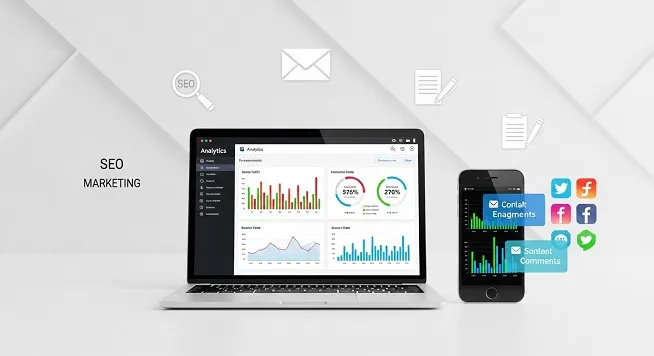
A successful digital marketing plan includes a mix of SEO, content, email, social media, and analytics to ensure continuous growth and measurable results.
Search Engine Optimization (SEO)
Search Engine Optimization (SEO) is one of the most powerful digital marketing strategies for small businesses because it drives organic visibility. When your website ranks higher on search engines like Google, you attract more free traffic and gain credibility.
To optimize your SEO:
- Conduct keyword research to find terms your audience searches for
- Use long‑tail keywords with low competition to improve ranking potential
- Create high‑quality content that answers user intent
- Optimize meta tags, headings, and images for search engines
- Build internal links and gain backlinks from reputable websites
SEO is a long‑term strategy but provides sustainable growth and compounding traffic over time.
Content Marketing
Content marketing focuses on creating and sharing valuable content that solves audience problems and builds trust. Instead of directly selling, content attracts visitors who are actively seeking information.
Examples of content you can create include:
- Blog posts with how‑to guides and tips
- Case studies showcasing your work
- FAQs addressing audience questions
- Video tutorials explaining products or services
- Ebooks or downloadable guides
Your content should be informative and optimized with relevant keywords. High‑quality content not only improves SEO but also positions your business as an authority in your niche.
Social Media Marketing
Social media platforms like Facebook, Instagram, LinkedIn, and TikTok offer direct access to your audience. These networks allow you to build relationships, share content, and promote offers.
Best practices for social media include:
- Choose platforms where your target audience spends the most time
- Post consistently with a mix of educational and promotional content
- Use visuals such as images and videos to boost engagement
- Engage with followers by responding to comments and messages
- Use hashtags to increase discoverability
Social media also supports paid promotions that can boost visibility further with a controlled budget.
Email Marketing
Email marketing remains one of the most effective digital marketing strategies for small businesses because it delivers the highest return on investment. You can communicate directly with subscribers who have shown interest in your offerings.
Email strategies include:
- Welcome emails for new subscribers
- Newsletters with updates and tips
- Promotional emails with special offers
- Automated sequences to nurture leads
Segment your email list based on user behavior and interests so that your messages are more relevant and personalized.
Pay‑Per‑Click (PPC) Advertising
PPC advertising allows you to place ads in front of your target audience and pay only when someone clicks. Platforms like Google Ads and Facebook Ads let you target users by location, interests, and search intent.
PPC is useful for:
- Driving immediate traffic
- Testing different marketing messages
- Promoting seasonal offers or launches
Although PPC requires a budget, it can complement your organic strategies and deliver quick visibility.
Local SEO and Google Business Profile
Local SEO is crucial for small businesses that serve customers in a specific area. Optimizing for local search helps your business appear in Google Maps and local search results.
To optimize local SEO:
- Claim and update your Google Business Profile
- Encourage customer reviews
- Add consistent contact details across platforms
- Optimize content for local search terms
Local visibility can significantly increase foot traffic and phone inquiries from nearby customers.
Video Marketing
Video marketing is one of the fastest‑growing forms of content because it captures attention more effectively than text alone. You can create:
- Product demonstration videos
- Behind‑the‑scenes clips
- Customer testimonials
- Educational tutorials
Publish videos on platforms like YouTube, Instagram Reels, and TikTok to reach broader audiences and increase engagement.
Marketing Automation
Marketing automation uses tools to automate repetitive tasks such as sending emails, posting on social media, or segmenting your audience. Automation saves time and ensures timely messages reach your audience.
Examples:
- Automated email sequences
- Scheduled social media posts
- Lead scoring based on user behavior
Automation increases efficiency and improves your ability to nurture leads consistently.
Referral and Word‑of‑Mouth Marketing
Encouraging referrals from existing customers is one of the most cost‑effective digital marketing strategies for small businesses. Happy customers often refer others when incentivized with discounts, rewards, or loyalty benefits.
A strong referral program boosts credibility and brings highly targeted leads because referrals come with trust already built in.
Conversion Rate Optimization (CRO)
Conversion rate optimization focuses on improving your website so more visitors take desired actions, such as filling out a form or making a purchase. CRO strategies include:
- Clear call‑to‑action buttons
- Faster loading pages
- Simplified checkout processes
- A/B testing of landing pages
Maximizing conversions ensures you get more from the traffic you already generate.
Conclusion
Choosing the right digital marketing strategies for a small business depends on your goals, budget, and audience. The key is to combine multiple strategies, such as SEO, content marketing, social media, email, and automation, to create a balanced approach.
Start with what you can manage consistently and expand as you see results. With a strategic plan in place, your small business can attract more customers, increase engagement, and grow sustainably in the digital landscape.