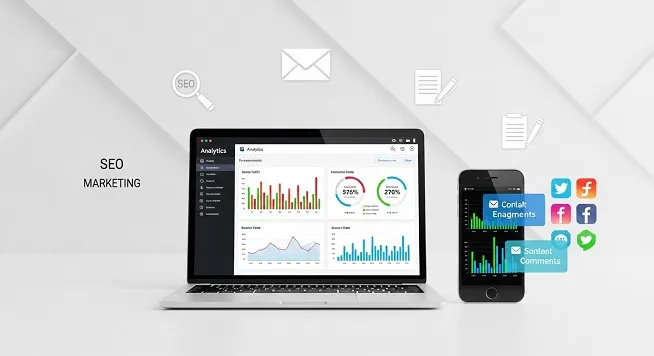
Quick answer: The digital marketing strategies that work best for small businesses are search engine optimisation, content marketing, social media, email marketing and local SEO, used together rather than in isolation. Start with whichever one channel matches where your customers already spend time, get it working consistently, then add a second channel rather than launching everything at once.
Every small business needs a genuine online presence to compete, but the number of available channels and tactics makes it easy to spread effort too thin across all of them at once. Trying five strategies badly beats out doing one strategy properly far less often than most beginners expect.
This guide covers the strategies that genuinely move the needle for a small business, in a realistic order to tackle them.
Search Engine Optimisation
SEO drives free, ongoing traffic by helping your website rank higher in search results. It compounds over time in a way paid advertising does not, since a well-ranking page keeps attracting visitors months or years after you published it, without an ongoing spend.
Start with genuine keyword research to understand what your specific customers actually search for, then build content that answers those searches directly. Optimise your meta titles, headings and images, and build internal links between related pages on your own site.
Our roundup of free keyword research tools for beginners is a solid starting point if you have not done keyword research before.
Content Marketing
Content marketing means creating genuinely useful material, such as blog posts, guides or videos, that solves a real problem your audience has, rather than directly pitching your product. Visitors who find your content while searching for an answer arrive already interested, which makes content one of the highest-trust channels available to a small business.
Useful formats include how-to guides, case studies showing real results, FAQ pages answering common customer questions, and short video tutorials. Whatever the format, genuine usefulness and relevant keywords both matter: content that ranks but does not actually help the reader will not convert, and content that helps but never gets found will not scale.
Social Media Marketing
Social platforms give you direct, ongoing access to your audience without needing them to actively search for you first. The channel that matters most depends entirely on where your specific customers actually spend time, which is rarely “everywhere at once.”
Post consistently rather than sporadically, mix educational and promotional content rather than only pitching, and actually respond to comments and messages, since engagement is what social algorithms and real customers both reward. If you want a structured approach to producing this content faster, our guide on how to use AI for social media content creation covers a practical workflow.
Email Marketing
Email consistently delivers one of the strongest returns of any digital channel, since you are communicating directly with people who have already shown genuine interest in your business. Unlike social media, an algorithm does not decide whether your message gets seen.
A welcome sequence for new subscribers, a regular newsletter, and occasional promotional sends cover most small businesses’ needs. Segment your list by interest or purchase history where possible, since relevant, targeted emails consistently outperform generic blasts sent to everyone at once.
For a complete beginner walkthrough, our guide on email marketing for beginners covers list building, welcome sequences and deliverability in full.
Pay-Per-Click Advertising
PPC advertising puts your business in front of the right audience immediately, and you only pay when someone actually clicks. Platforms like Google Ads and Facebook Ads let you target by location, interests and search intent with real precision.
PPC works particularly well for driving immediate traffic, testing which marketing messages resonate before investing in organic content, and promoting time-limited offers or launches. It requires an ongoing budget, unlike SEO or content, but it complements organic strategies well when you need visibility faster than organic growth alone can deliver.
Local SEO and Google Business Profile
If your business serves customers in a specific area, local SEO is one of the highest-value strategies available, since it puts you directly in front of nearby customers actively searching for what you offer right now.
Claim and fully complete your Google Business Profile, actively encourage genuine customer reviews, keep your contact details consistent across every platform that lists your business, and optimise your content for local search terms. Strong local visibility drives real foot traffic and phone enquiries in a way broader, non-local SEO cannot match.
Video Marketing
Video captures attention more effectively than text alone, and it works particularly well for product demonstrations, behind-the-scenes content, genuine customer testimonials and educational tutorials. Publishing on YouTube, Instagram Reels or TikTok extends your reach to audiences who prefer watching over reading.
Marketing Automation
Automation tools handle repetitive tasks such as sending emails, scheduling social posts, or scoring leads based on their behaviour, which frees up your time for strategy and creative work rather than manual repetition.
Automated welcome sequences, scheduled social content, and behaviour-based lead scoring all help a small team maintain consistency without needing to manually execute every single task. If you want to see how AI fits into this alongside traditional automation, our guide on AI tools for marketing automation covers real tools and setup steps.
Referral and Word-of-Mouth Marketing
Encouraging referrals from existing happy customers is one of the most cost-effective strategies available, since referred customers arrive with trust already built in through the person who recommended you. A modest referral incentive, such as a discount or reward, meaningfully increases how often satisfied customers actually make the introduction rather than simply thinking well of you privately.
Conversion Rate Optimisation
Driving traffic only pays off if visitors actually convert once they arrive. Clear calls to action, fast-loading pages, a simplified checkout process, and regular A/B testing of your landing pages all help you get more value from the traffic you already have, rather than needing to constantly generate more of it.
Where to Start
Trying every strategy at once is the most common way small businesses burn out on digital marketing within a few months. A more realistic order looks like this: pick the one channel where your specific customers already spend time, get it running consistently for six to eight weeks, then add a second channel once the first genuinely feels manageable rather than overwhelming.
Frequently Asked Questions
What is the best digital marketing strategy for a small business?
There is no single best strategy for every business. SEO and content marketing suit businesses that can invest time for longer-term, compounding growth, while PPC advertising suits businesses that need visibility quickly. Most small businesses benefit from combining two or three channels rather than relying on just one.
How much should a small business spend on digital marketing?
This varies widely by industry and goals, but many small businesses start with organic channels like SEO, content and social media, which need time investment rather than a large budget, before adding paid advertising once they have a clearer sense of what converts.
How long does it take to see results from digital marketing?
Paid advertising can show results within days. SEO and content marketing typically take three to six months to build meaningful, compounding traffic, since search engines need time to trust and rank new content.
Is social media marketing worth it for a small business?
Yes, provided you focus on the one or two platforms where your specific customers actually spend time, rather than trying to maintain a presence everywhere at once.
What is local SEO and why does it matter?
Local SEO helps your business appear in Google Maps and local search results for customers searching nearby. It matters most for businesses serving a specific geographic area, since it drives genuinely local foot traffic and enquiries.
Should a small business use marketing automation?
Yes, once you are managing repetitive tasks like email sequences or social scheduling manually. Automation frees up time for strategy and creative work without sacrificing consistency.
Bringing It Together
Choosing the right mix of digital marketing strategies depends on your specific goals, budget and audience. Start with what you can manage consistently, measure what is actually working, and expand from there rather than trying to do everything from day one. If you want to build out your content specifically, our guide on how to write a content marketing strategy from scratch is a good next step.